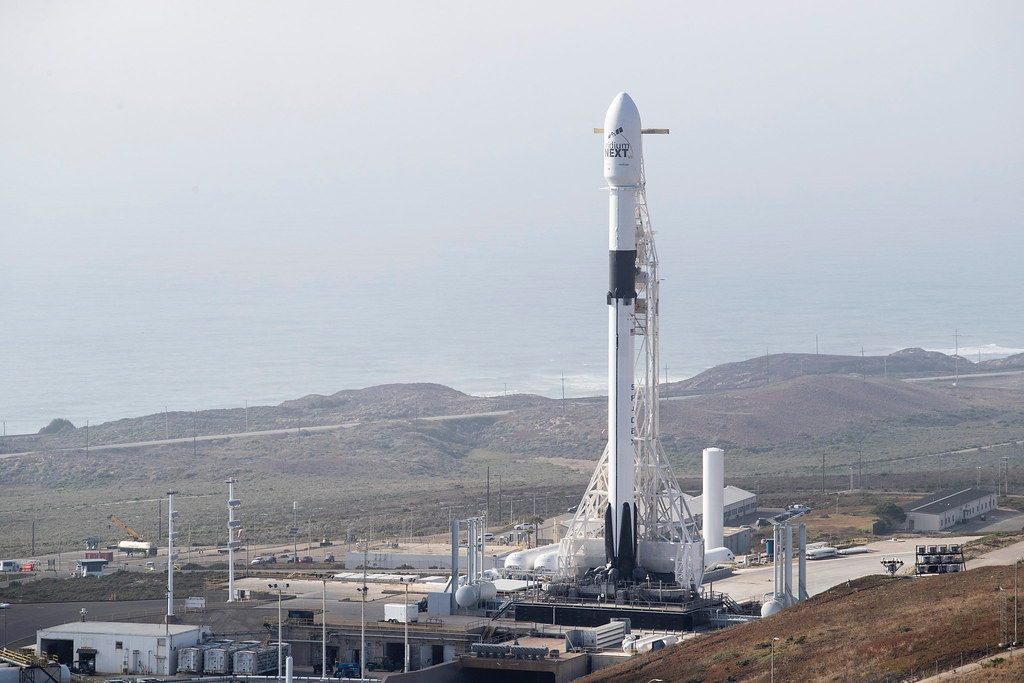
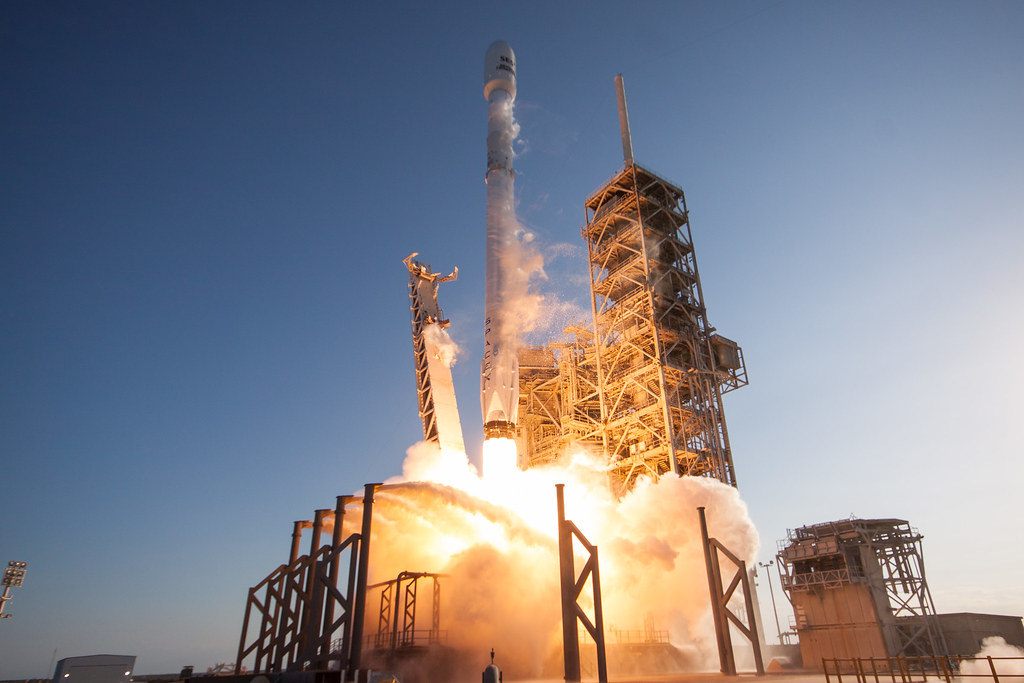
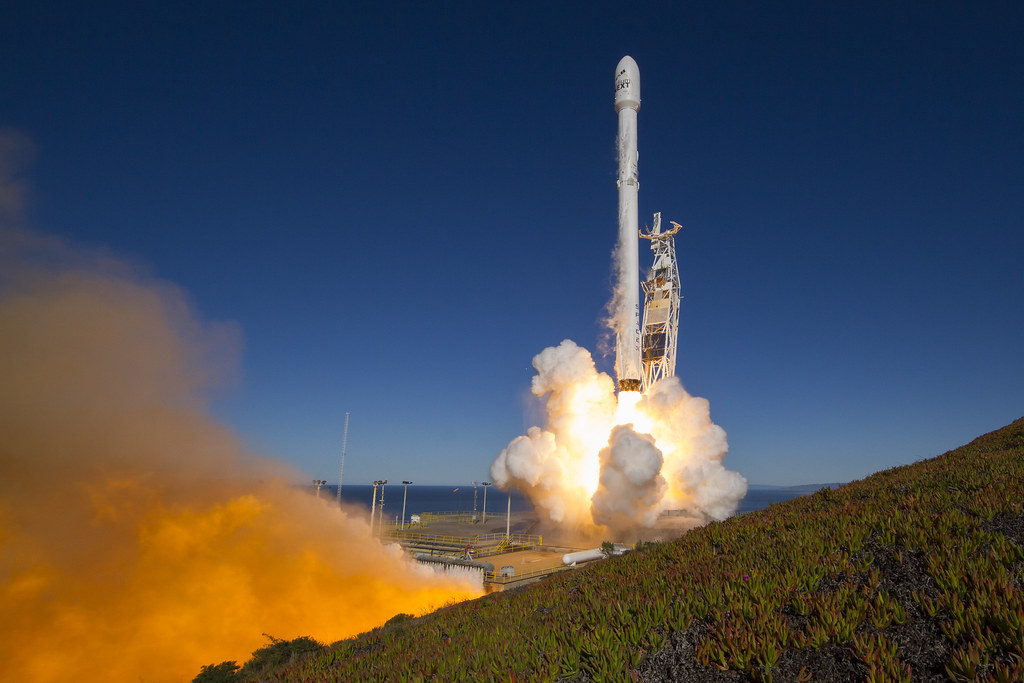
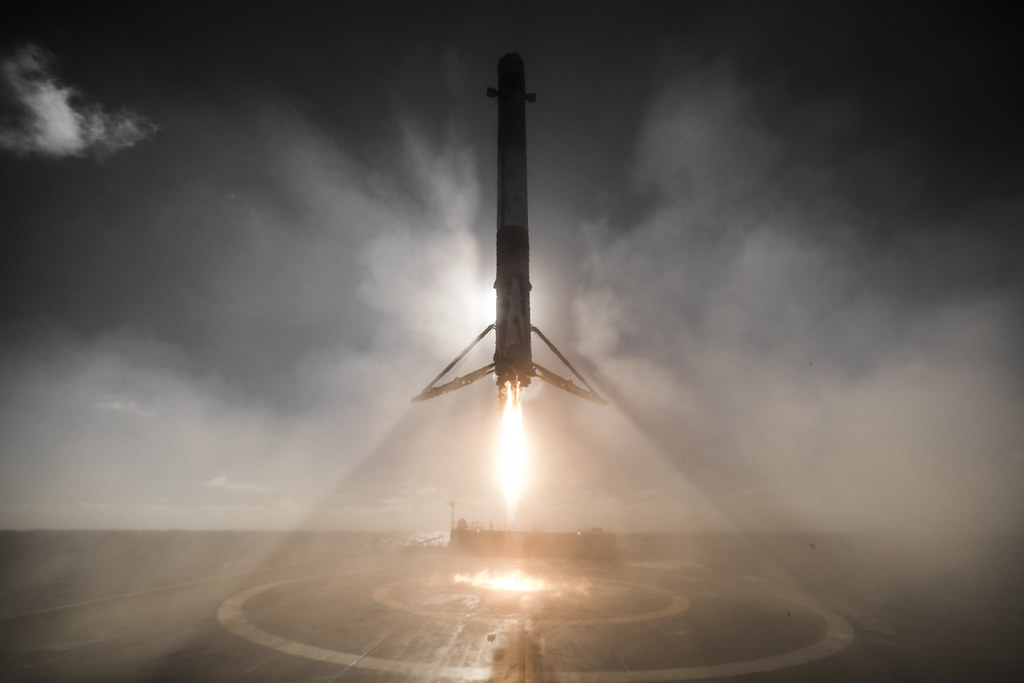
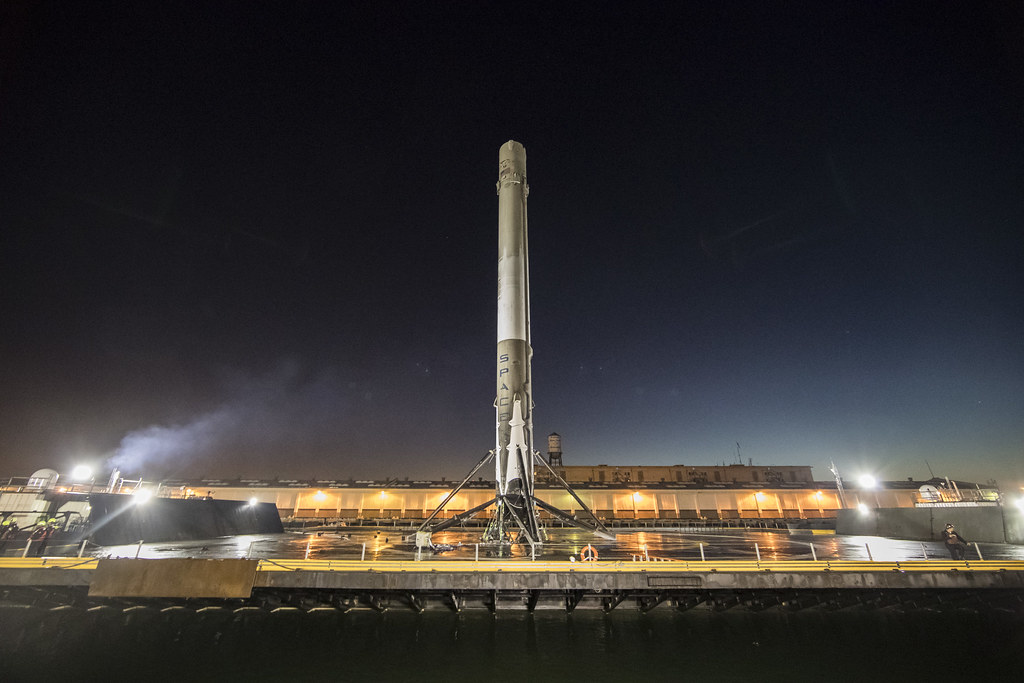
Description: Second launch of the enhanced Falcon 9 Full Thrust launch vehicle. Following the launch, SpaceX attempted an experimental landing test to a drone ship, although a successful landing was not expected because launch mass exceeded previously indicated limit for a GTO there was little fuel left. As predicted, booster recovery failed: the spent first stage "landed hard", but the controlled-descent, atmospheric re-entry and navigation to the drone ship were successful and returned significant test data on bringing back high-energy Falcon 9s.
- Information:
- Flight number: 27
- Flight date: 3/4/2016
- Static fire: 10/2/2016
- Status: Exitoso
- Bibliography:
Information:
State: Active
Company: SpaceX
First Flight: 2010-06-04
Country: United States
Success Rate: 98%
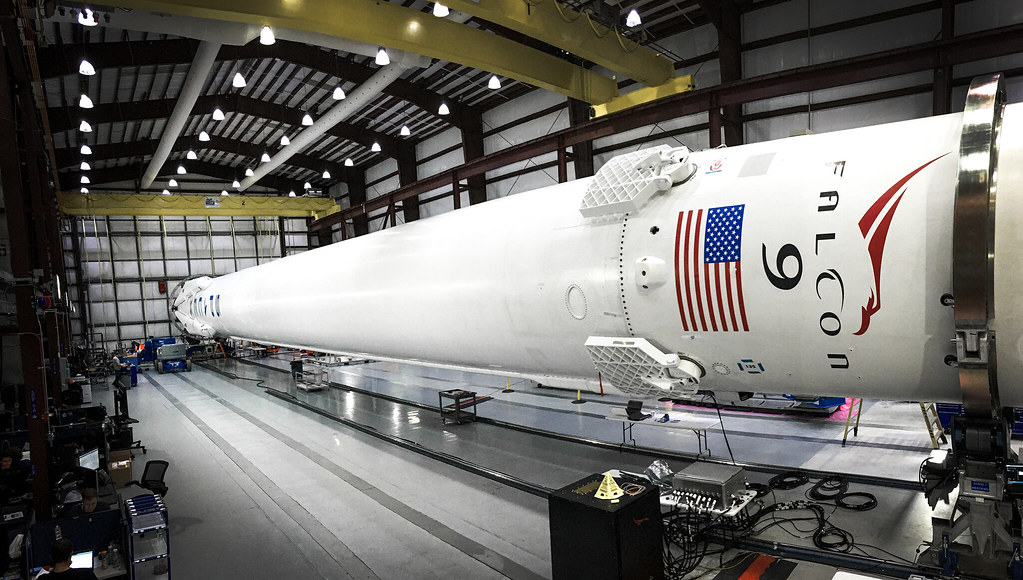
Description: Falcon 9 is a two-stage rocket designed and manufactured by SpaceX for the reliable and safe transport of satellites and the Dragon spacecraft into orbit.
Details:
- Rocket Details:
- Height: 70 meters / 229.6 feet
- Diameter: 3.7 meters / 12 feet
- Mass: 549054 kg / 1207920 lb
- Stages: 2
- Boosters: 0
- Cost per Launch: $50000000
- Engines:
- Type: merlin
- Version: 1D+
- Layout: octaweb
- Thrust vacuum:
- Engine Loss Max: 2
- Propellant 1: liquid oxygen
- Propellant 2: RP-1 kerosene
- Thrust to Weight: 180.1
- Payload Weights:
- Low Earth Orbit: 22800 kg / 50265 lb
- Geosynchronous Transfer Orbit: 8300 kg / 18300 lb
- Mars Orbit: 4020 kg / 8860 lb
- Landing Legs:
- Number: 4
- Material: carbon fiber
First and Second Stage
| Stage | Thrust vacuum kN/lbf | Reusable | Engines | Fuel Amount Tons | Burn Time Sec |
|---|---|---|---|---|---|
| 1 | 8227 / 1849500 | Yes | 9 | 385 tons | 162 sec |
| 2 | 934 / 210000 | Yes | 1 | 90 tons | 397 sec |
- Rocket gallery