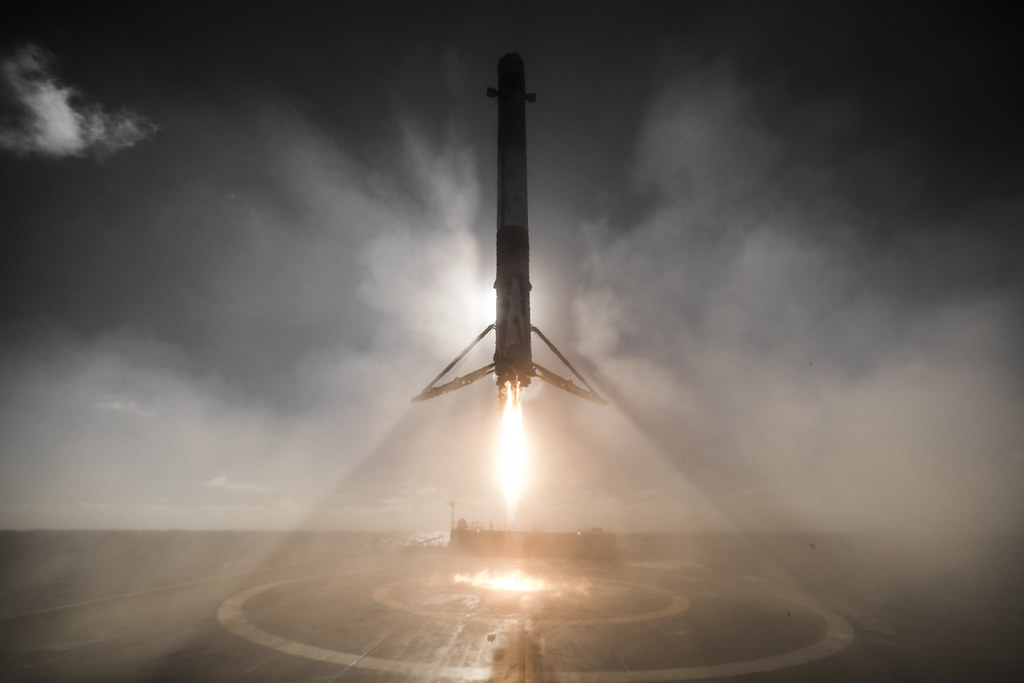
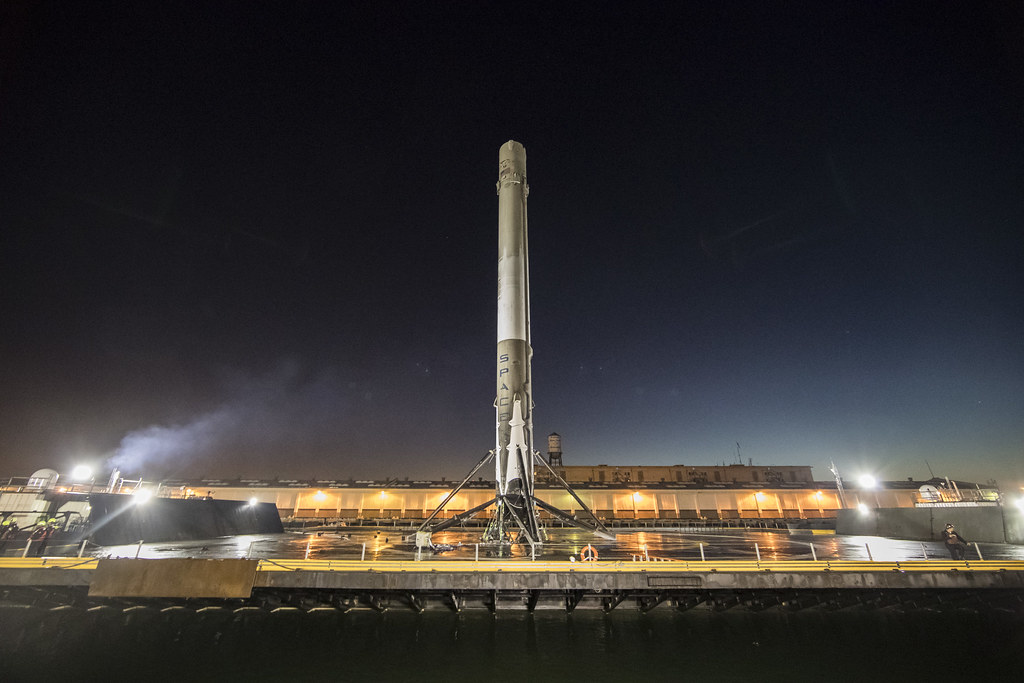
Description: SpaceX will launch a Crew Dragon capsule from LC-39A, KSC on a fully fueled Falcon 9 rocket and then trigger the launch escape system during the period of maximum dynamic pressure. As part of NASA'a Commercial Crew Integrated Capability program (CCiCap) this test will contribute valuable data to help validate Crew Dragon and its launch abort system. The Crew Dragon will be recovered by GO Searcher after splashdown in the Atlantic Ocean. This flight does not go to orbit. The booster and upper stage are expected to break up following capsule separation and there will be no landing attempt.
- Information:
- Flight number: 88
- Flight date: 1/19/2020
- Static fire: 1/11/2020
- Status: Exitoso
- Bibliography:
Information:
State: Active
Company: SpaceX
First Flight: 2010-06-04
Country: United States
Success Rate: 98%
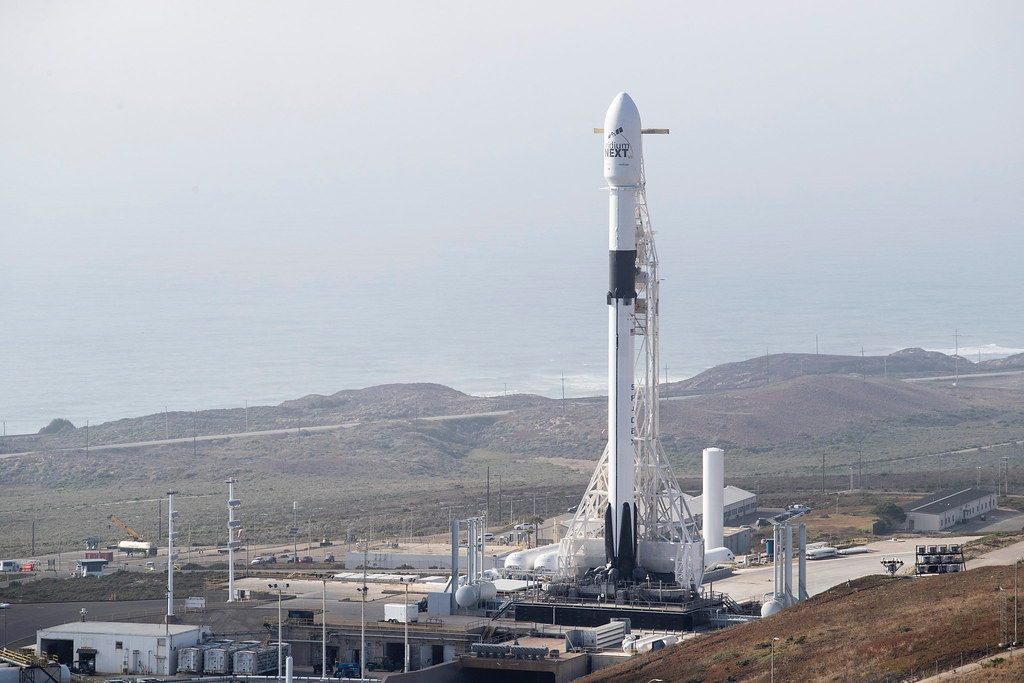
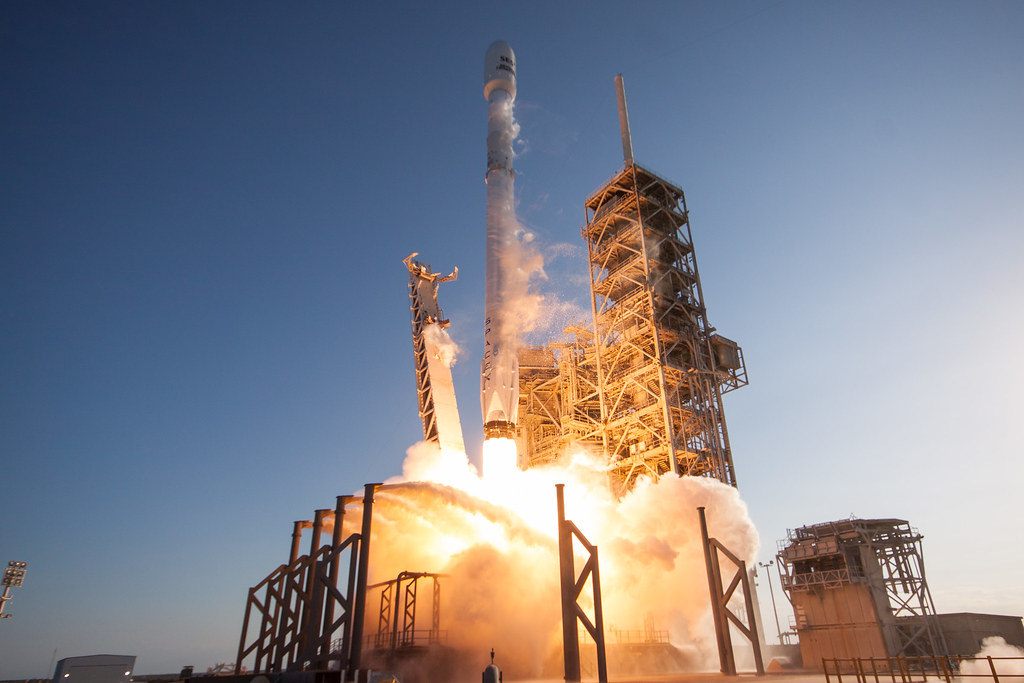
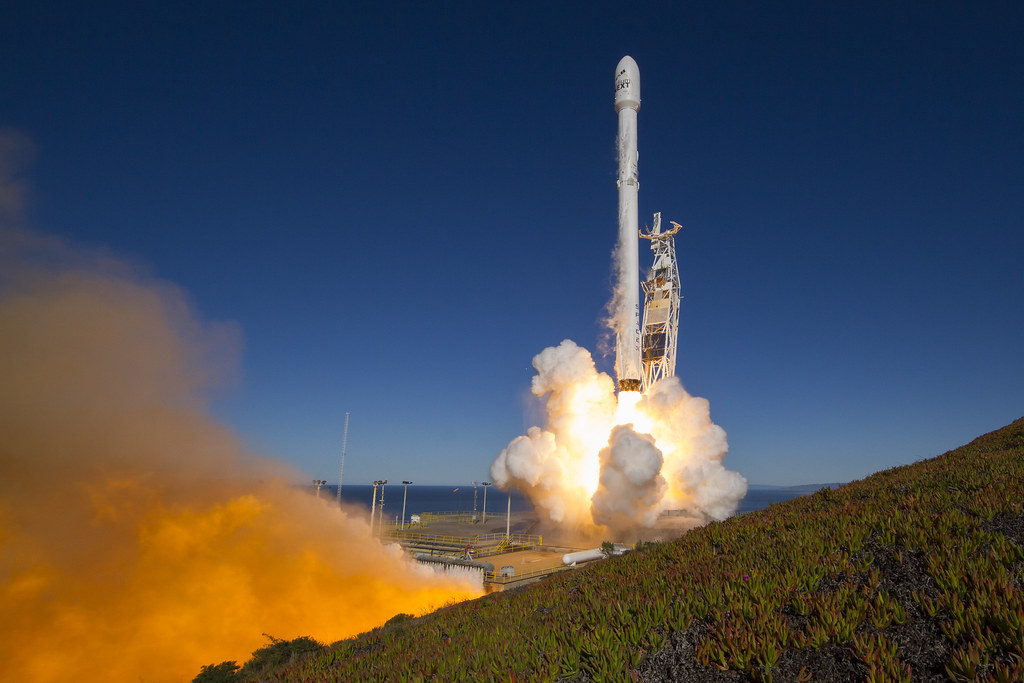
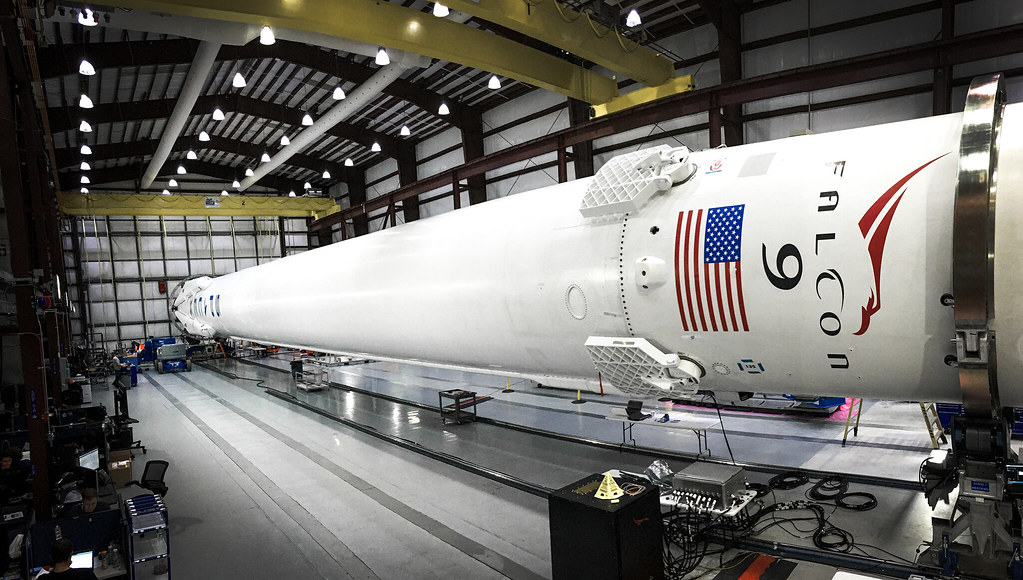
Description: Falcon 9 is a two-stage rocket designed and manufactured by SpaceX for the reliable and safe transport of satellites and the Dragon spacecraft into orbit.
Details:
- Rocket Details:
- Height: 70 meters / 229.6 feet
- Diameter: 3.7 meters / 12 feet
- Mass: 549054 kg / 1207920 lb
- Stages: 2
- Boosters: 0
- Cost per Launch: $50000000
- Engines:
- Type: merlin
- Version: 1D+
- Layout: octaweb
- Thrust vacuum:
- Engine Loss Max: 2
- Propellant 1: liquid oxygen
- Propellant 2: RP-1 kerosene
- Thrust to Weight: 180.1
- Payload Weights:
- Low Earth Orbit: 22800 kg / 50265 lb
- Geosynchronous Transfer Orbit: 8300 kg / 18300 lb
- Mars Orbit: 4020 kg / 8860 lb
- Landing Legs:
- Number: 4
- Material: carbon fiber
First and Second Stage
| Stage | Thrust vacuum kN/lbf | Reusable | Engines | Fuel Amount Tons | Burn Time Sec |
|---|---|---|---|---|---|
| 1 | 8227 / 1849500 | Yes | 9 | 385 tons | 162 sec |
| 2 | 934 / 210000 | Yes | 1 | 90 tons | 397 sec |
- Rocket gallery