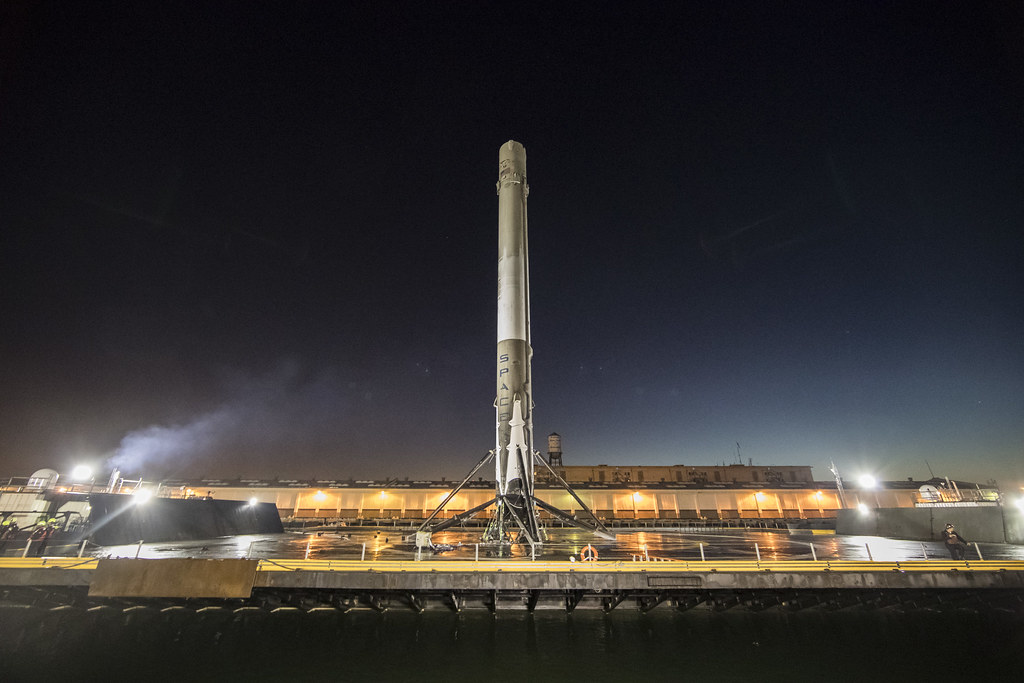
Description: NASA's Double Asteroid Redirect Test (DART) will demonstrate the use of a kinetic impactor to alter an asteroid's trajectory, an intervention that could be used in the future to prevent devastating Earth impacts. The target system consists of Didymos, 780 meters in diameter, and its moonlet Dimorphos, 160 meters. The DART spacecraft will intercept the double asteroid, using autonomous guidance to crash into the smaller one. Moving at about 6 km/s, the transferred momentum should alter Dimorphos's 12 hour orbital period around its companion by several minutes. The mission tests several technologies, including the Small-body Maneuvering Autonomous Real-Time Navigation (SMART Nav) used to differentiate and steer toward the target body and Roll-Out Solar Arrays (ROSA) with Transformational Solar Array concentrators. NASA’s Evolutionary Xenon Thruster — Commercial (NEXT–C) ion engine will also be demonstrated, although the spacecraft's primary propulsion is hydrazine thrusters. DART should arrive at Didymos in late September 2022, when it is about 11 million kilometers from Earth. Ten days before impact, the Italian Space Agency's cubesat LICIACube will be deployed to observe the collision and ejecta with its two cameras. Earth-based telescopes will be used to measure the altered orbit.
- Information:
- Flight number: 138
- Flight date: 11/24/2021
- Static fire: 11/19/2021
- Status: Exitoso
- Bibliography:
Information:
State: Active
Company: SpaceX
First Flight: 2010-06-04
Country: United States
Success Rate: 98%
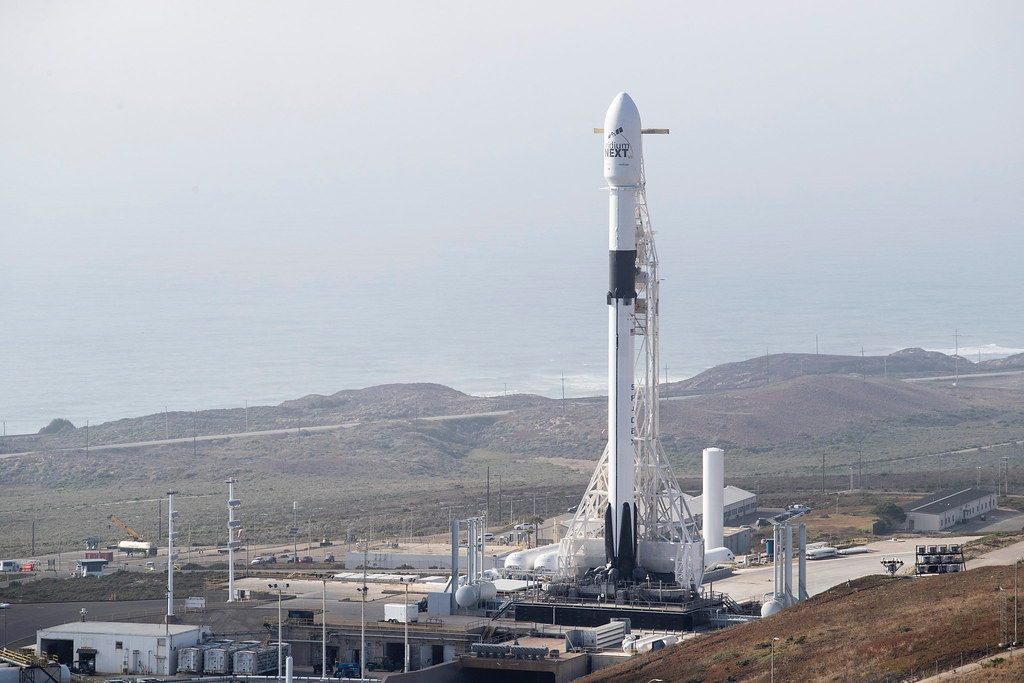
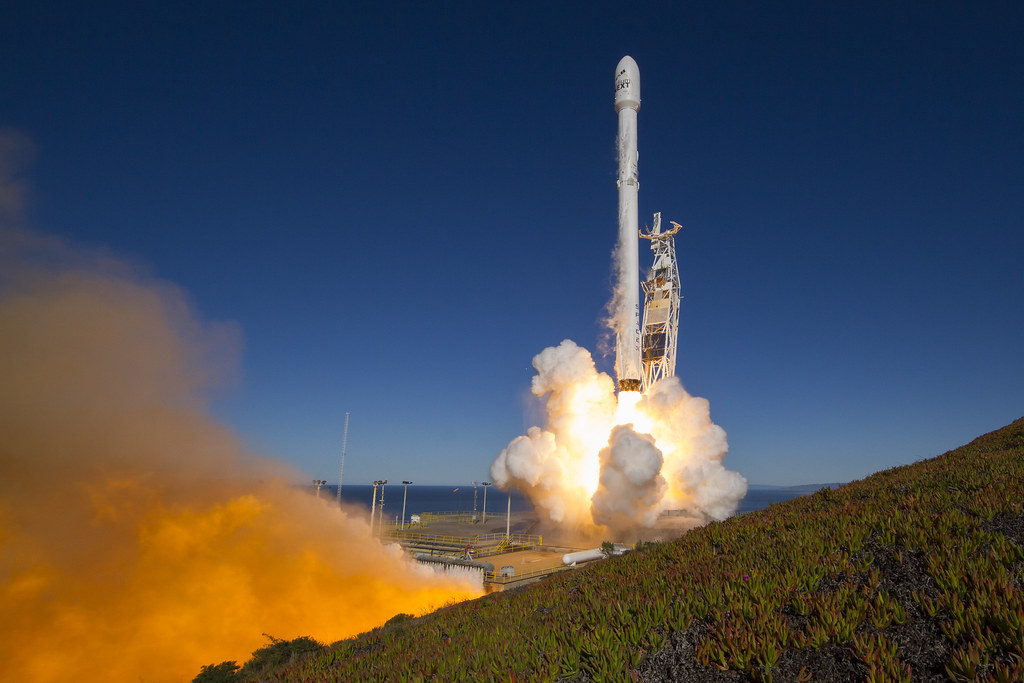
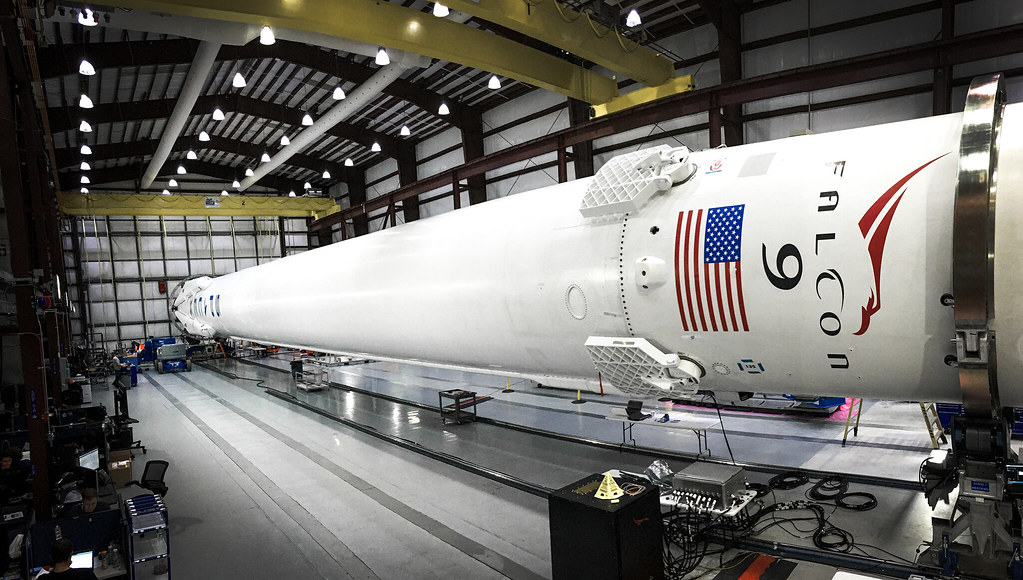
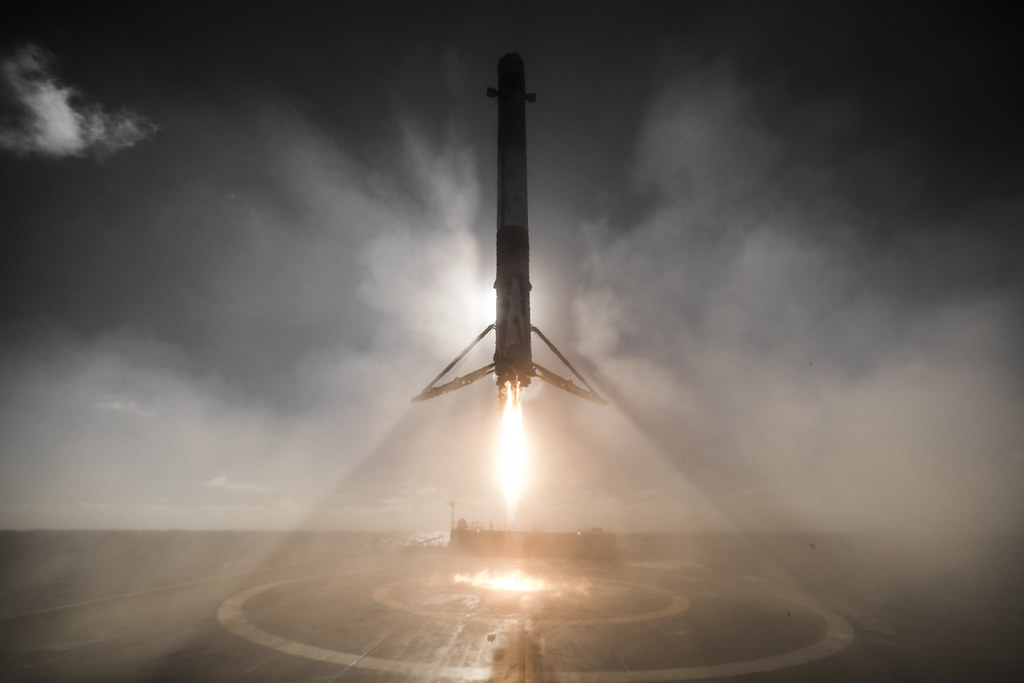
Description: Falcon 9 is a two-stage rocket designed and manufactured by SpaceX for the reliable and safe transport of satellites and the Dragon spacecraft into orbit.
Details:
- Rocket Details:
- Height: 70 meters / 229.6 feet
- Diameter: 3.7 meters / 12 feet
- Mass: 549054 kg / 1207920 lb
- Stages: 2
- Boosters: 0
- Cost per Launch: $50000000
- Engines:
- Type: merlin
- Version: 1D+
- Layout: octaweb
- Thrust vacuum:
- Engine Loss Max: 2
- Propellant 1: liquid oxygen
- Propellant 2: RP-1 kerosene
- Thrust to Weight: 180.1
- Payload Weights:
- Low Earth Orbit: 22800 kg / 50265 lb
- Geosynchronous Transfer Orbit: 8300 kg / 18300 lb
- Mars Orbit: 4020 kg / 8860 lb
- Landing Legs:
- Number: 4
- Material: carbon fiber
First and Second Stage
| Stage | Thrust vacuum kN/lbf | Reusable | Engines | Fuel Amount Tons | Burn Time Sec |
|---|---|---|---|---|---|
| 1 | 8227 / 1849500 | Yes | 9 | 385 tons | 162 sec |
| 2 | 934 / 210000 | Yes | 1 | 90 tons | 397 sec |
- Rocket gallery